①
Induction
Guided breathing and focused attention bring the body into deep relaxation — slowing brainwaves toward an alpha/theta state.
Hypnotherapy is the structured use of focused attention and relaxed awareness to access the subconscious mind — the layer where phobias live, and the only layer where they can be truly resolved.
The conscious mind is roughly 5% of mental activity — language, logic, deliberate choice. The subconscious is the other 95% — habits, emotional reactions, body responses, beliefs you formed before you could read.
Phobic responses are stored in the subconscious. That is why "just relax" or "don't think about it" never works. The conscious mind is not where the program is running.
Hypnotherapy lowers the activity of the conscious filter just enough to let direct, structured suggestion and reprocessing reach the subconscious — where the trigger pattern can be edited.
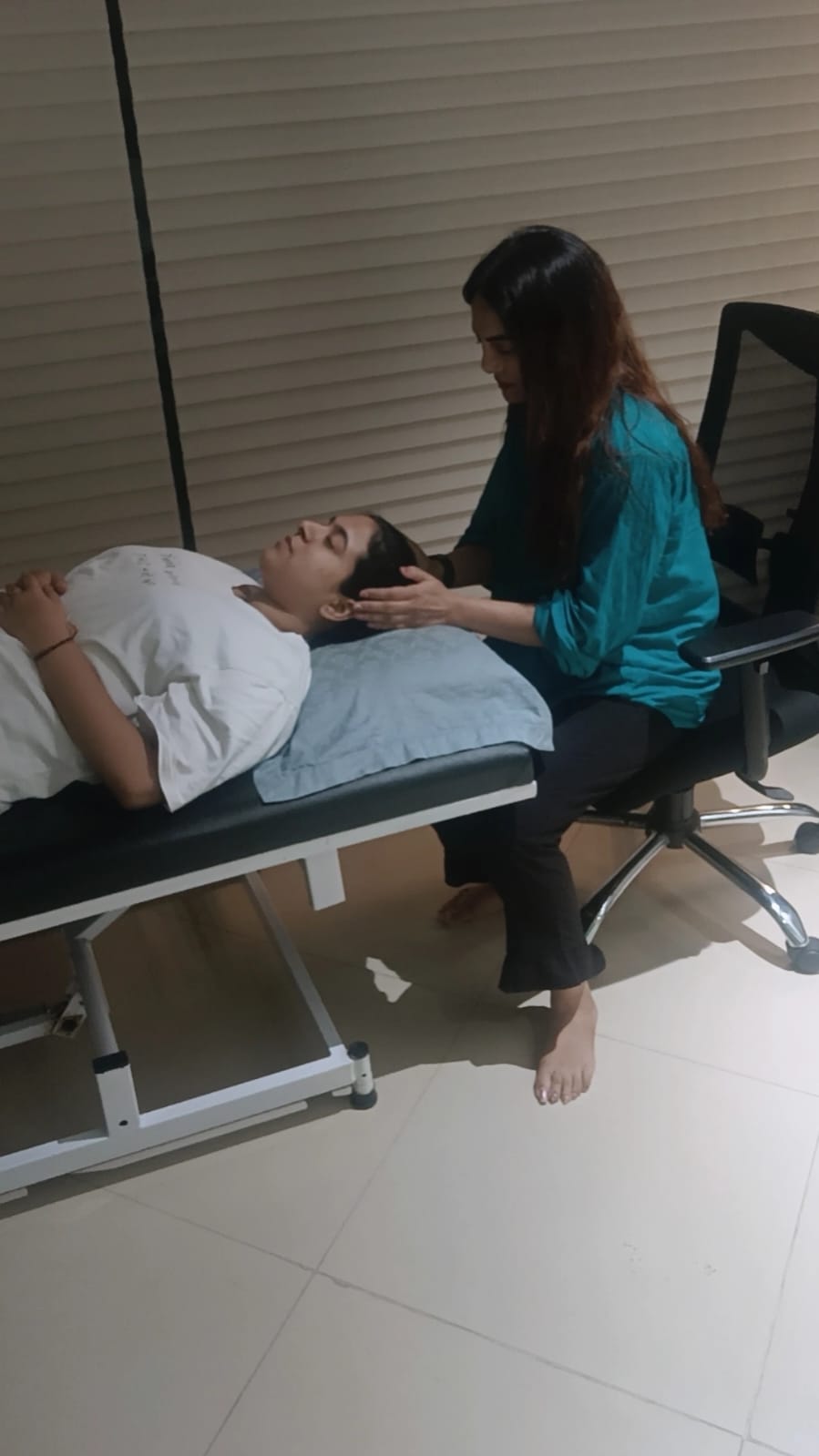
Most clients describe it as the state just before sleep — aware, relaxed, present. You hear everything. You remain in control. You can speak, move, end the session at will.
Guided breathing and focused attention bring the body into deep relaxation — slowing brainwaves toward an alpha/theta state.
The conscious filter quiets. Attention narrows. The subconscious becomes accessible to suggestion and reprocessing.
Trigger patterns are located, examined, and re-coded. Old emotional charges are released; new, calm responses are installed.
You're guided back to full waking awareness — clearer, lighter, often surprised by how present you remained throughout.
You stay fully aware and in command. If the room caught fire, you would walk out of it.
Hypnosis is collaborative. You cannot be made to do, say, or accept anything that violates your values.
Stage hypnosis selects volunteers who already want the spotlight. It is unrelated to clinical work.
Therapeutic hypnotherapy follows assessed protocols, informed consent, and measured outcomes.
No one has ever been stuck in hypnosis. The mind naturally returns to ordinary awareness.
If left undirected, the relaxed state simply transitions into normal sleep or full wakefulness on its own.
Most people assume they cannot be hypnotised — and most are wrong about themselves.
The depth varies, but the therapeutic state is accessible to almost anyone willing to engage.
Faster resolution than long-form talk therapy for specific phobias
Typical sessions for full resolution of a single phobia
Average length of resolution sustained without relapse
Medication. No prescriptions, no chemical interventions.